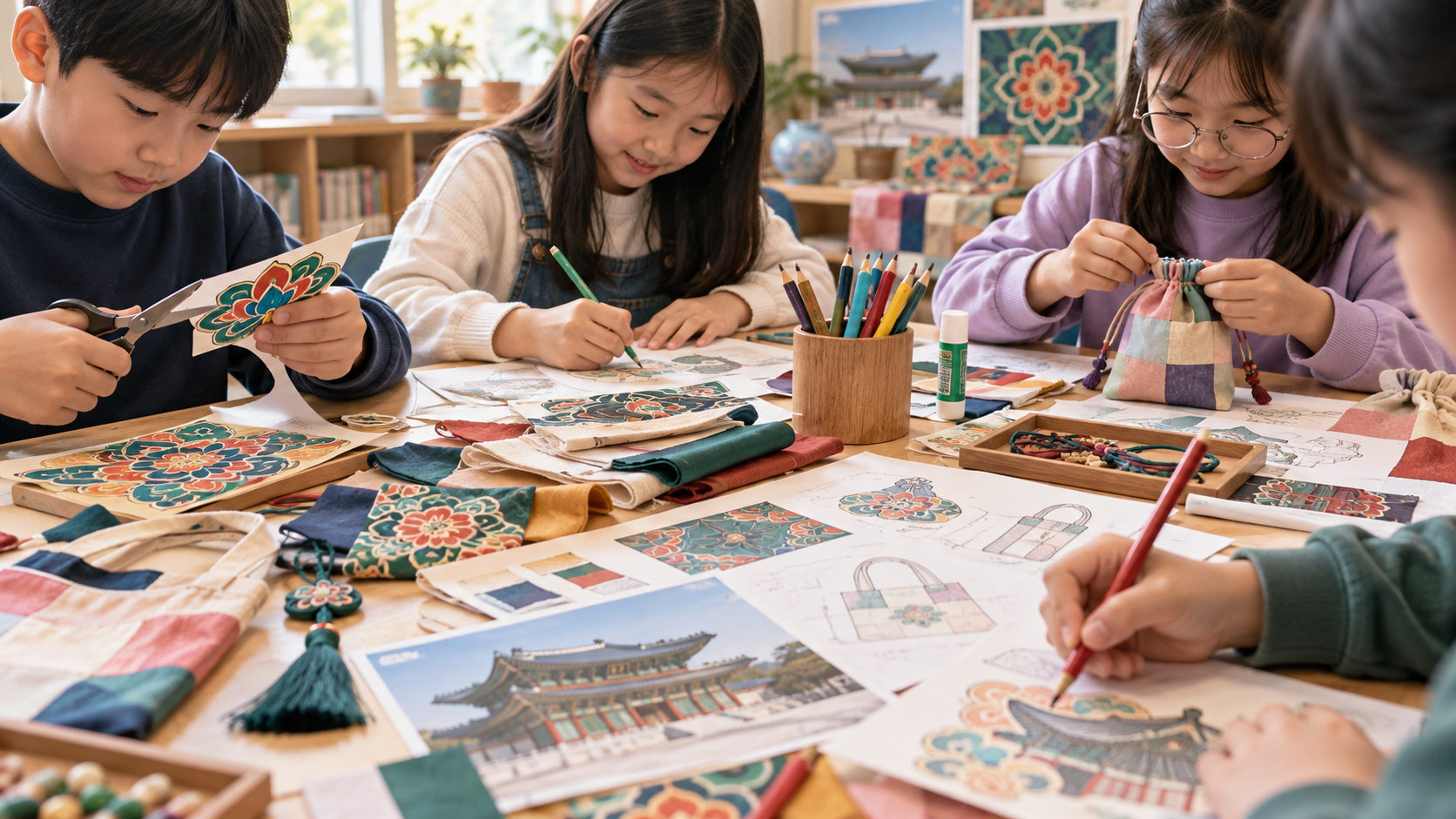
One day with fourth graders: turning heritage into useful objects
At the Naju Creative Convergence Education Center invention classroom, fourth-grade students from across Jeonnam spent one day transforming regional heritage into products people could use. They modeled in Tinkercad, built a metaverse exhibition in CoSpaces, and created sales pages in Canva.
The opening rule was simple: do not make a replica. Make an invention. A roof curve from Jinnamgwan became a smartphone stand, a turtle ship shell became a business-card holder, and Goryeo celadon became a refrigerator magnet.
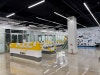
The class introduction and students’ early design work.


A treasure map of Jeonnam
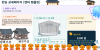
The class began with a map linking Mokpo Modern History Museum and Gatbawi, Yeosu Jinnamgwan, Suncheon Naganeupseong, Naju Geumseonggwan, Gangjin celadon, and the Jindo dog. Students chose a cultural feature, simplified its shape, and added a practical function.
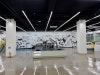
The regional cultural heritage map used to open the project.

Three tools, one complete project
- Tinkercad: Students combined basic shapes and designed functional details such as key-ring holes and phone grooves. Because the objects would be 3D printed, we discussed a 0.5 mm clearance and the 45-degree rule.
- CoSpaces: Using Jeonnam’s student accounts, they arranged their products in a metaverse exhibition.
- Canva: They added a slogan, price, and persuasive explanation to create a simple sales page.
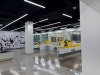
Design, metaverse exhibition, and sales-page work.
Fourth graders who kept revising
I have taught invention-gifted classes in Mokpo for three years, but this group’s persistence stood out. When a model did not work, students revised it, asked friends, and continued during breaks. Their behavior reflected Renzulli’s three-ring model: above-average ability, creativity, and task commitment.
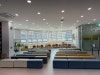
Students concentrating on and revising their cultural heritage products.
For families with children from grade 4 through middle-school grade 2, regional talent programs can provide peers, current edtech tools, and projects that connect history, engineering, design, and economics. Eligibility and selection change, so families should check the official Jeonnam education notices each year.
전남 4학년과 하루, 문화유산을 매일 쓰는 물건으로
나주 창의융합교육원 발명센터에서 전남 인재단 4학년 학생들과 하루 동안 지역 문화유산 굿즈 만들기 수업을 진행했습니다. 틴커캐드로 모델링하고, 코스페이시스로 메타버스 전시관을 꾸미고, 캔바로 판매 페이지까지 만들었습니다.
수업의 원칙은 “복제품이 아니라 발명품을 만들자”였습니다. 진남관 지붕 곡선은 스마트폰 거치대가 되고, 거북선 등껍질은 명함 꽂이가 되고, 고려청자는 냉장고 마그넷이 됐습니다.
전남의 보물에서 기능을 찾았습니다
목포 근대역사관과 갓바위, 여수 진남관, 순천 낙안읍성, 나주 금성관, 강진 고려청자, 진도 진돗개를 지도에서 살펴봤습니다. 학생들은 문화유산의 특징을 단순한 도형으로 바꾸고 열쇠고리 구멍이나 휴대전화 홈처럼 실제 기능을 결합했습니다.
틴커캐드·코스페이시스·캔바
- 3D 프린터 출력을 고려해 공차 0.5mm와 45도 법칙을 적용했습니다.
- 아이모두 계정으로 코스페이시스에 접속해 작품 전시 공간을 만들었습니다.
- 캔바에서 슬로건과 가격, 설득 문장을 넣어 소개·판매 페이지를 완성했습니다.
쉬는 시간에도 계속 고쳤습니다
모델이 뜻대로 되지 않아도 다시 고치고 친구에게 묻는 모습이 인상적이었습니다. 평균 이상의 능력, 창의성, 과제집착력이라는 렌즐리의 세 고리 모형을 현장에서 보는 듯했습니다.
초4부터 중2 자녀를 둔 가정이라면 지역 인재단 프로그램의 공식 공고를 확인해 볼 만합니다. 자격과 선발 방식은 해마다 달라지지만, 또래와 만나 최신 에듀테크 환경에서 역사·공학·디자인·경제를 잇는 프로젝트를 경험할 수 있습니다.
글쓴이: 14년차 초등교사 · AIEDAP 마스터교원 · 전남교사노동조합 대외협력국장
Leave a Reply