

Five sessions, one regional problem, and a one-page solution
On Sunday, August 23, I led sessions 3 to 5 of a five-session AIEDAP Honam master-teacher workshop. The practical goal was clear: find a local issue in public data, turn a vague concern into a question that numbers can test, and present the result on one Canva page.
This workshop grew from the regional AI convergence education material that our elementary, middle, and high school writing team developed this year. Unlike a course built around a finished script, I had to design the lesson flow and activities myself. That freedom was useful, but it also made preparation more demanding.
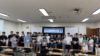
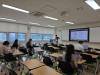
Workshop scenes from the opening of the program.


How the five sessions were structured
- Sessions 1-2: Teacher Choi Ju-young of Muan Hyeongyeong Middle School introduced a data-inquiry framework that moves from an observed phenomenon to a problem definition and a testable hypothesis.
- Session 3: The three writers shared how generative AI supported the development process. Participants used Padlet to share their strengths and workshop goals.
- Session 4: Teachers searched the Public Data Portal and KOSIS, refining everyday impressions into questions that could be checked with regional data.
- Session 5: Each team defined a regional problem, selected key figures, visualized them, and built a one-page solution pitch in Canva.
Materials explaining the regional data inquiry and workshop sequence.
Why we changed the order
The hardest part was not drawing a chart. It was finding data that could actually answer the first question. Our writing team had struggled with the same issue. For the final activity, we therefore used backward design: participants examined available data first, then identified the problem and question that the data could support.
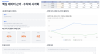
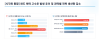
Teachers’ one-page regional problem and solution boards.



The teachers stayed focused through the full five-session program and produced ideas worth preserving. The day before the new semester began, the workshop was also a reminder that good AI education starts with a real question, reliable evidence, and a task that teachers can take back to their classrooms.
5차시 연수, 지역 문제 하나, 캔바 한 장
8월 23일 일요일, 호남 마스터교원 연수 3~5차시를 맡았습니다. 실습의 목표는 분명했습니다. 공공데이터에서 지역 문제를 찾고, 막연한 느낌을 수치로 확인할 수 있는 질문으로 바꾼 뒤 캔바 한 장에 해결안을 정리하는 일이었습니다.
이번 연수는 올해 초·중·고 3인 집필진이 만든 지역 기반 AI 융합 교육 교재를 강의로 다시 풀어낸 자리였습니다. 완성된 교안을 따라가는 연수가 아니라 전체 흐름과 실습을 직접 설계해야 했기에 준비 부담도 컸습니다.
연수 진행 흐름
- 1~2차시: 무안현경중학교 최주영 선생님이 현상에서 문제 정의로 이어지는 데이터 탐구 프레임워크와 가설 설정을 설명했습니다.
- 3차시: 집필진의 교재 개발 과정과 생성형 AI 활용 경험을 나누고 패들렛으로 각자의 강점과 목표를 공유했습니다.
- 4차시: 공공데이터포털과 KOSIS에서 지역 데이터를 찾아 막연한 생각을 검증 가능한 질문으로 다듬었습니다.
- 5차시: 지역 문제를 정의하고 핵심 수치를 시각화해 캔바 1페이지 솔루션 피치를 완성했습니다.
데이터를 먼저 보고 문제를 찾았습니다
가장 어려운 일은 그래프를 그리는 것이 아니라 처음 세운 질문에 맞는 데이터를 찾는 일이었습니다. 집필진도 같은 어려움을 겪었기에 마지막 실습에는 백워드 설계를 적용했습니다. 먼저 사용할 수 있는 데이터를 살펴보고, 그 데이터로 설명할 수 있는 문제와 질문을 찾는 방식입니다.
5차시 동안 높은 집중도로 참여하고 결과물을 완성해 주신 선생님들께 감사드립니다. 좋은 AI 교육은 도구보다 실제 문제, 믿을 수 있는 데이터, 교실로 가져갈 수 있는 과제에서 시작된다는 점을 다시 확인한 시간이었습니다.
글쓴이: 14년차 초등교사 · AIEDAP 마스터교원 · 전남교사노동조합 대외협력국장
Leave a Reply